Author: admin

  • How an On-Site ATM Triggers More Impulse Buying for Arkansas Small Businesses

    How an On-Site ATM Triggers More Impulse Buying for Arkansas Small Businesses

    How ATMs Encourage Impulse Buying in Arkansas Small Businesses

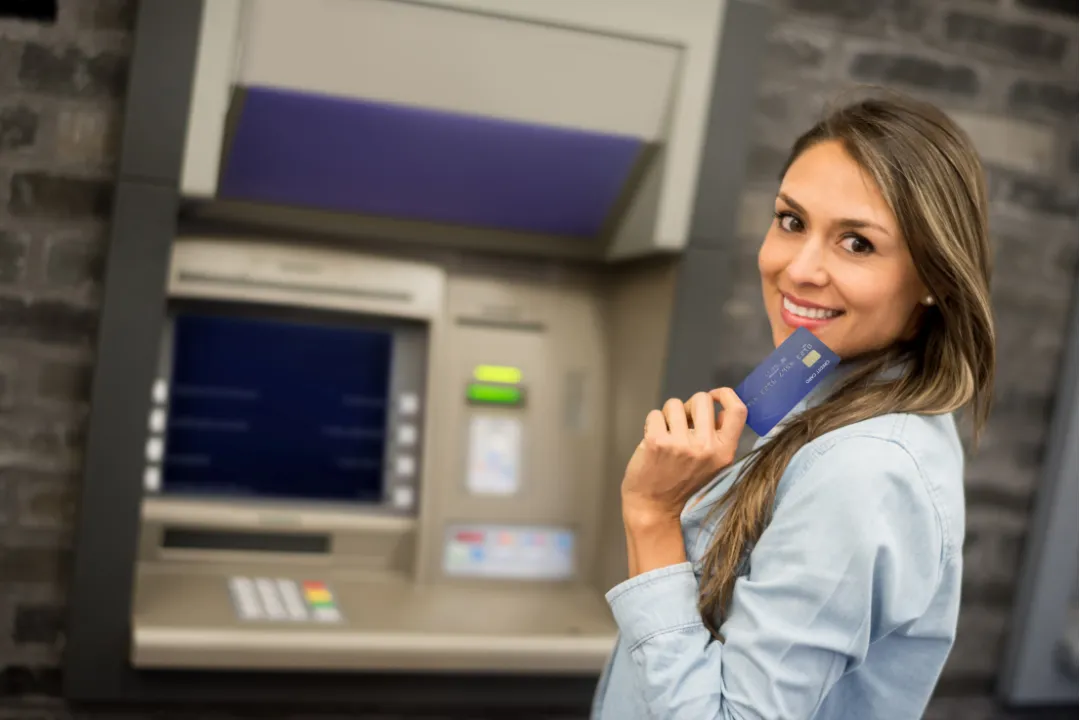
    ATM inside an Arkansas small business encouraging customers to withdraw cash and buy more

    The “Cash-in-Hand Effect”: Why Arkansas Customers Spend More When You Have an ATM

    Impulse buying happens when a customer is ready to purchase right now—but only if paying is easy. In Arkansas, many small businesses still see strong cash behavior, especially in convenience stores, gas stations, bars, restaurants, local retail, and event-driven environments where tips, quick purchases, and vendor spending are common. When customers realize they need cash and your business doesn’t provide an easy way to get it, they leave the property—and that usually kills the impulse. When an ATM is available inside your location, you remove that payment friction, keep customers on-site, and increase the chances they’ll complete extra purchases they didn’t plan on. This effect can show up across Arkansas markets like Little Rock, North Little Rock, Northwest Arkansas (Fayetteville–Springdale–Rogers–Bentonville), plus Fort Smith, Jonesboro, Conway, and visitor-heavy areas like Hot Springs, where customer movement and spending peaks can be intense.

    Why “Cash-in-Hand” Increases Impulse Purchases in Arkansas

    Impulse buying is mostly emotional and time-sensitive. The customer sees something, wants it, and is willing to pay—until the payment method becomes inconvenient. In Arkansas small businesses, that inconvenience often looks like this: “I only have a card,” “the card machine is busy,” “the vendor is cash-only,” or “I need cash for tips.” If the customer has to drive away to find a bank ATM, the impulse fades and the purchase disappears. When you offer cash access in-house, you shorten the gap between desire and purchase. The customer withdraws cash, feels ready to spend, and often buys additional items because they already went through the effort of getting money. This is why an ATM can increase not only withdrawals but also your core sales. A customer who would have bought one item may now buy two or three. A bar guest who needed cash for a tip may also buy another round. A convenience store customer who needed cash may also pick up snacks, drinks, or add-ons. The “cash-in-hand effect” isn’t magic—it’s simply removing friction at the exact moment a customer is ready to spend.

    Arkansas Businesses Where ATMs Most Often Boost Impulse Buying

    In Arkansas, impulse spending tends to rise in businesses where purchases are fast, small, and frequent—especially when foot traffic is steady. That’s why ATMs often perform well in convenience stores, gas stations, smoke/vape shops, bars, restaurants, small retail counters, salons, and hospitality locations. These environments create constant “quick decision” moments: a customer adds an extra item at checkout, tips a staff member, buys another drink, or makes an unexpected add-on purchase. In Little Rock and North Little Rock, impulse spending often happens during evening rush and weekend peaks, especially around service and nightlife patterns. In Northwest Arkansas (Fayetteville, Springdale, Rogers, Bentonville), dense retail growth and student-driven movement can create regular walk-in activity where convenience matters. In Fort Smith, Jonesboro, and Conway, community-focused shopping corridors and everyday service businesses can benefit when an ATM reduces the need for customers to “run somewhere else.” And in tourism-heavy areas like Hot Springs, visitors often prefer cash for tips, small purchases, and local vendor spending—making on-site cash access a direct sales driver.

    The 3 Placement Rules That Decide Whether the ATM Actually Drives Sales

    An ATM only increases impulse buying if customers notice it and feel comfortable using it. First rule: visibility within seconds. If the ATM is hidden behind shelves, around corners, or in a low-traffic hallway, it won’t get used—even in a busy Arkansas business. The best placements are near natural pause points like checkout lines, entry paths, or waiting areas. Second rule: comfort and safety. The ATM area should be well-lit and positioned where customers don’t feel isolated, especially in businesses with evening traffic. Customers avoid machines that feel unsafe. Third rule: easy access without disrupting flow. People should be able to withdraw cash without blocking the line or feeling awkward. When these three rules are met, the ATM becomes part of the customer experience. The moment a customer thinks “I need cash,” they immediately see a solution—and that is exactly what keeps the impulse purchase alive.

    Processing and Uptime: The Hidden Part of Impulse Buying

    Impulse buying is fragile. If the ATM is slow, frequently errors out, or runs out of cash, customers don’t “wait and try again”—they abandon the idea and move on. That’s why processing stability and service support are critical if your goal is increased sales, not just an installed machine. Reliable ATM processing reduces failed withdrawals and keeps transactions smooth. A clear service plan reduces downtime when issues occur. And basic cash planning helps prevent “Out of Cash” moments during peak Arkansas patterns like weekends, payday cycles, and event surges. In short: the ATM drives impulse buying only when it works consistently. If customers lose trust, they stop trying, and the impulse-buying advantage disappears. Uptime is what protects the benefit over time.

    ATM inside an Arkansas small business encouraging customers to withdraw cash and buy more

    How Arkansas Owners Can Turn an ATM Into a Consistent Sales Booster

    If you want your ATM to reliably boost impulse buying in Arkansas, keep the approach practical. Start by placing the machine where customers naturally stop—near checkout, near the entrance path, or near waiting space. Add clear signage that makes the ATM impossible to miss (simple and clean, not cluttered). Make sure the machine stays dependable by pairing it with stable processing and a support plan for service and repairs. Then plan cash levels around your busiest time windows: weekends, late nights, local events, and seasonal travel. Finally, choose an ATM setup that fits your business model—buying for long-term control, leasing for lower upfront cost, or qualified placement when traffic levels support it. When you do these basics right, the ATM becomes more than a convenience tool: it becomes a repeatable way to keep customers on-site, increase basket size, and strengthen your business reputation across Arkansas.

  • 3 Practical Ways an ATM Installation Helps Arkansas Businesses Earn More and Serve Better

    3 Practical Ways an ATM Installation Helps Arkansas Businesses Earn More and Serve Better

    ATM Installation in Arkansas: 3 Multi-Purpose Benefits for Your Business

    ATM installation in Arkansas helping customers access cash inside a local business

    In Arkansas, convenience drives buying decisions. When customers can access cash quickly, they stay longer and spend more—especially in everyday businesses like convenience stores, gas stations, bars, restaurants, retail counters, and hospitality locations. An ATM installation is more than a machine in the corner; it’s a practical tool that supports customer flow, reduces lost sales, and creates transaction-based earnings when the ATM is placed correctly and kept reliable. This can be especially valuable across Arkansas markets such as Little Rock, North Little Rock, Fayetteville, Springdale, Rogers, Bentonville, Fort Smith, Jonesboro, Conway, and visitor-heavy destinations like Hot Springs. Below are three realistic, multi-purpose ways an ATM installation can support your business—not with hype, but with real operational advantages.

    1) It Keeps Customers On-Site (So You Don’t Lose the Sale Mid-Visit)

    One of the biggest hidden costs for Arkansas businesses is the “walk-out” moment: a customer wants to buy, realizes they need cash, and leaves to find an ATM somewhere else. Sometimes they return. Often, they don’t. When you install an ATM inside your business, you reduce that risk immediately. Customers can withdraw cash and complete the purchase without leaving the property, which is especially important for high-traffic, quick-decision environments like convenience stores, gas stations, bars, and small retail. The benefit becomes even stronger during busy periods—weekend rush, payday cycles, late-night crowds, and seasonal tourism—when customers don’t want extra stops. In places like Little Rock and Northwest Arkansas (Fayetteville–Springdale–Rogers–Bentonville), people often prioritize speed and convenience, so having an on-site ATM makes your business the easier choice. Even in smaller Arkansas markets, on-site cash access can become a repeat-visit driver because customers remember which locations “solve the problem” quickly. The key is placement: the ATM should be visible within seconds, near a natural pause point like the checkout area, so customers use it without searching.

    2) It Creates a Simple Fee-Based Income Stream (Without Changing Your Main Business)

    An ATM can create transaction-based income through withdrawal fees, but the real strength is how it adds earnings without forcing you to change what you sell. You don’t need new inventory, a new service menu, or additional staff—your business simply offers cash access, and the ATM earns when it’s used. In Arkansas, this model fits businesses where customers already spend money quickly and frequently—snacks, drinks, small retail items, tips, and service transactions. When your ATM is reliable and easy to access, usage becomes routine, and routine usage is what turns an ATM into a consistent earner. This benefit can be especially noticeable in areas with steady traffic patterns like Fort Smith, Jonesboro, and Conway, as well as visitor-driven places like Hot Springs, where guests may prefer cash for small purchases, tips, and local vendors. However, income depends on performance: slow processing, frequent errors, or “out of cash” moments reduce transactions fast. That’s why good ATM processing and service support matters—because consistent uptime is what protects the income stream. The goal isn’t a flashy number; it’s stable, repeatable earnings that grow as your traffic grows.

    3) It Improves Customer Experience and Trust (Which Builds Loyalty Locally)

    Customer experience is not only about friendliness—it’s about removing friction. An ATM installation helps Arkansas businesses reduce friction by making purchases easier, especially for customers who prefer cash or need it for tips, small purchases, or vendor transactions. When customers see your location as “convenient,” they’re more likely to return, and they’re more likely to recommend you. In many Arkansas communities, word-of-mouth still plays a powerful role: people talk about places that are easy to use and dependable. But that loyalty only happens when the ATM stays reliable. If the machine is often down, slow, or out of cash, customers won’t trust it—and they may even associate that frustration with your business. That’s why pairing installation with ongoing ATM service and repair readiness is important. A stable, well-supported ATM sends a simple message: your business is organized, customer-friendly, and prepared. Over time, that becomes a quiet advantage you can’t buy with ads.

    A Practical Arkansas Checklist Before You Install (So the ATM Performs)

    Before installing an ATM in Arkansas, make sure the fundamentals are solid. Start with the location: the ATM should be visible quickly and placed where customers naturally pause—near checkout, near an entrance path, or near a waiting area. Next, evaluate cash demand: does your customer base regularly need cash for purchases, tips, or vendor spending? Then consider safety and comfort: the area should be well-lit and positioned where customers feel secure using the machine during evening hours or busy weekends. After that, plan uptime: choose a processing setup designed for reliable approvals and have a clear service plan for maintenance and repairs to prevent repeat downtime. Finally, keep expectations realistic: the best ATM results come from consistent traffic, consistent performance, and a setup that matches your specific Arkansas business environment. When these basics are done right, an ATM becomes a multi-purpose asset—improving customer experience, protecting sales, and building a steady revenue channel.

    Which Option Fits Your Arkansas Business: Buy, Lease, or Qualified Placement?

    Arkansas business owners have different starting points, so the best option depends on your budget and goals. If you want long-term control and you expect steady usage, buying an ATM can make sense—especially if you want ownership and long-term upside. If you want to reduce upfront cost and keep cash available for other business priorities, leasing an ATM can be a practical path. And if you’re exploring free ATM placement, treat it as qualification-based: approval typically depends on factors like foot traffic, business type, operating hours, visibility, and expected transaction volume. “Free” isn’t a blanket promise—it’s an option for locations that are likely to perform well. If you also host gatherings, you may benefit from event ATM rental for tournaments, fairs, festivals, or seasonal crowds. The smartest move is choosing an option that matches your Arkansas traffic patterns and pairing it with reliable processing and service support so your ATM stays profitable and dependable.

    ATM installation in Arkansas helping customers access cash inside a local business
  • 4 Smart Questions Arkansas Business Owners Should Ask Before Choosing an ATM Location

    4 Smart Questions Arkansas Business Owners Should Ask Before Choosing an ATM Location

    How to Choose the Best ATM Location in Arkansas: 4 Questions That Prevent Bad Placements

    Choosing the best ATM location in Arkansas based on foot traffic and visibility

    Picking an ATM spot in Arkansas isn’t about “where there’s extra space”—it’s about where people naturally stop, feel safe, and actually need cash. The wrong placement can lead to low transactions, frequent customer complaints, and a machine that feels invisible even when traffic exists. The right placement can turn everyday foot traffic into predictable ATM usage and extra revenue—especially in high-movement cities like Little Rock, North Little Rock, and Northwest Arkansas hubs like Fayetteville–Springdale–Rogers–Bentonville. It also matters in working markets like Fort Smith, Jonesboro, and Conway, and tourist-heavy zones like Hot Springs, where visitor spending and weekend peaks can drive withdrawals. Below are four practical questions Arkansas business owners can use to spot the best ATM location—before committing to a placement that underperforms.

    Question 1: Does This Spot Capture “Stop-and-Buy” Traffic in Arkansas?

    In Arkansas, the best ATM locations usually share one pattern: they serve customers who are already in “transaction mode.” Think convenience stores, gas stations, bars, restaurants, retail counters, smoke/vape shops, and hospitality lobbies—places where people are already spending or about to spend. The ATM should be placed where customers naturally pause: near the checkout line, near the entrance path, or near a waiting area where people stand for a moment. If your ATM is tucked away behind racks, placed in a low-visibility corner, or located in a hallway most customers never walk through, it won’t get used—even if you have decent foot traffic. A strong Arkansas placement makes the ATM easy to notice and easy to access without interrupting customer flow. If you want a fast reality check, watch your store for 30 minutes during peak hours: where do people line up, hesitate, or wait? Those “pause points” often outperform random corners. In busy areas like Little Rock and Northwest Arkansas, a visible ATM near checkout can turn impulse cash needs into real withdrawals. In smaller Arkansas markets, visibility matters even more because customers won’t “hunt” for the machine—they’ll just leave and find another.

    Question 2: Are Customers Likely to Need Cash Here—Or Can They Easily Avoid It?

    A good Arkansas ATM location is one where cash demand is natural, not forced. If your customers frequently pay in cash, tip staff, buy low-ticket items quickly, or visit vendors that prefer cash, your ATM has a better chance to perform consistently. That’s why ATMs often do well in bars, restaurants, service-heavy counters, convenience retail, and event-adjacent venues. But here’s the key: your location also needs the right “cash urgency.” If customers can easily walk next door to a bank ATM, a competitor ATM, or a large retail store with cash access, they may skip your machine unless it’s extremely visible and convenient. This is especially relevant in denser Arkansas corridors where multiple options exist. In contrast, in areas where nearby ATM options are limited—or where customers don’t want to drive away once they’ve parked—your ATM becomes the preferred choice. Ask yourself: why would someone use my ATM instead of another one? The strongest answers are convenience (closest), speed (works reliably), and placement (easy to spot). If you can’t answer that clearly, you may need a better spot within your property or a different location type altogether.

    Question 3: Is the Spot Safe, Well-Lit, and Comfortable for Real Arkansas Hours?

    Even a perfect high-traffic location can underperform if customers feel uneasy using the ATM. In Arkansas, many businesses have late-night peaks (restaurants, bars, convenience stores) and weekend surges. That means the ATM location should be well-lit, visible to staff or cameras, and positioned where customers don’t feel isolated. If someone has to step outside into a dark corner, walk behind the building, or use the ATM in a place that feels hidden, usage drops. Practical safety doesn’t just improve customer comfort—it protects the equipment and reduces risk. For indoor placements, visibility to staff and proximity to main customer flow are often best. For venues with outdoor areas (like certain event spaces), lighting and controlled access become even more important. A simple Arkansas test: would you personally feel comfortable using this ATM at 9 PM on a weekend? If the answer is “not really,” most customers will avoid it too, and your transactions will reflect that quickly.

    Question 4: Can You Maintain Uptime Here Without Constant Headaches?

    The best location isn’t just about traffic—it’s about staying operational. If your ATM goes down often, customers stop trusting it, and even a high-traffic placement becomes useless. That’s why Arkansas business owners should think about uptime during site selection. Is the area protected from spills, heavy bumps, and chaotic foot traffic that could damage the machine? Is the machine placed where it won’t be blocked by carts, displays, or seasonal setups? Can your team easily spot issues early (error messages, paper out, unusual sounds) before customers complain? Uptime also includes practical planning around service access: if repairs or maintenance are needed, the machine should be reachable without tearing apart your layout. Many owners miss this and install the ATM in a “nice-looking” place that becomes a nightmare when servicing is needed. In Arkansas markets where customers have options, uptime becomes your competitive edge. The machine that works consistently wins—every time. A strong placement is one you can keep stable with reasonable effort, paired with reliable ATM processing and service support.

    Choosing the best ATM location in Arkansas based on foot traffic and visibility

    A Simple Arkansas Placement Checklist (Use This Before You Commit)

    Before you finalize an Arkansas ATM placement, run this quick checklist: (1) The ATM is visible within 3–5 seconds of entering the business, (2) it sits near a natural “pause point” like checkout or waiting areas, (3) customers have a real reason to need cash here (not just “maybe”), (4) the spot feels safe and well-lit for evening and weekend use, and (5) the machine can be serviced without disrupting your entire layout. If your location passes all five, you’re likely choosing a spot that will generate consistent withdrawals and better long-term results. If it fails two or more, consider moving the ATM inside your floor plan, improving lighting/visibility, or choosing a better placement point that matches real customer flow. In Arkansas—where buying behavior varies by city, tourism, and local routines—placing your ATM where people naturally move is what turns a machine into a profit tool instead of just another fixture.

  • The Arkansas ATM Advantage: Real Benefits of Owning an ATM for Local Businesses

    The Arkansas ATM Advantage: Real Benefits of Owning an ATM for Local Businesses

    The Arkansas ATM Advantage: Why ATM Ownership Can Be a Smart Business Move

    ATM ownership benefits for Arkansas small businesses in high-traffic locations

    Arkansas businesses succeed when they make spending easy. Whether you operate a convenience store off a busy route, a bar with weekend crowds, a retail shop near a growing neighborhood, or a hospitality location serving visitors, customers often need quick access to cash—and they prefer not to leave the property to get it. That’s where ATM ownership becomes a practical advantage. A well-run ATM can generate transaction-based income, keep customers on-site longer, and reduce “I’ll be back” moments that turn into lost sales. In Arkansas, this can matter in steady-traffic areas like Little Rock and North Little Rock, fast-growing Northwest Arkansas hubs like Fayetteville–Springdale–Rogers–Bentonville, and working markets like Fort Smith, Jonesboro, Conway, and tourism-driven destinations like Hot Springs.

    What ATM Ownership Really Means in Arkansas (Beyond “Buying a Machine”)

    Owning an ATM in Arkansas isn’t just purchasing hardware—it’s operating a small profit channel that depends on placement, uptime, and customer trust. When your ATM works consistently, customers rely on it. When it’s frequently down or slow, people stop trying, and you lose both withdrawals and the spending that usually follows. A strong ownership plan includes: choosing the right machine for your environment, pairing it with reliable ATM processing, planning basic servicing, and setting clear expectations for cash management. Ownership also gives you control: you decide how to position the ATM, how to keep it visible, and how to shape the customer experience so transactions happen smoothly. This is especially valuable in Arkansas locations where convenience is a deciding factor—gas stations, convenience stores, bars, restaurants, retail counters, and event-adjacent venues. The best operators treat the ATM like part of the customer flow, not an afterthought—because the more predictable the experience is, the more often the ATM gets used.

    Where ATM Ownership Performs Best in Arkansas (Cities + Business Types)

    ATM performance is highly location-driven, and Arkansas offers several strong use cases. In Little Rock and North Little Rock, ATMs tend to do well in convenience retail, nightlife corridors, and service-heavy businesses where customers want quick transactions. In Northwest Arkansas—Fayetteville, Springdale, Rogers, and Bentonville—student populations, nightlife, and dense retail growth can support consistent ATM usage when the machine is placed where customers naturally pause (near checkout, near entrances, or in visible waiting areas). In cities like Fort Smith, Jonesboro, and Conway, ATMs can perform well in community hubs—convenience stores, restaurants, and mixed retail areas—where cash access reduces friction for everyday purchases. And in places like Hot Springs, visitor demand can make cash availability a steady need, particularly near hospitality, entertainment, and tourist foot traffic. The common thread is simple: the best-performing Arkansas ATM locations have steady walk-in volume, clear visibility, and customers who are ready to spend once they have cash.

    How ATM Owners Earn: Surcharge Income + The “Stayed-on-Site” Effect

    ATM ownership typically produces income from transaction fees (often called surcharge revenue), but the bigger business win is what happens immediately after the withdrawal. Customers who get cash on-site tend to spend it on-site—especially in convenience retail, bars, restaurants, and event settings. That means the ATM doesn’t only earn on withdrawals; it can also protect and increase your primary sales by preventing customers from leaving to find cash elsewhere. In Arkansas, this is especially relevant during peak patterns: weekend nightlife, payday cycles, seasonal travel spikes, and event-driven crowds. A reliable ATM turns those patterns into consistent use. The key is balance: fees should match your location’s expectations and nearby alternatives, and the ATM experience must stay smooth to keep customers coming back. If your machine is slow, frequently out of cash, or throws errors, the “stayed-on-site” benefit disappears fast. Owners who succeed focus on stable processing, visibility, and service readiness—not just the transaction fee.

    Protecting Uptime: Processing, Service, and Repairs Matter More Than Most Owners Expect

    Downtime is the silent killer of ATM profitability. In Arkansas, customers won’t keep testing a machine that fails—especially if a nearby store, bank, or competitor location offers an ATM that works. A successful ownership strategy includes basic uptime protection: reliable ATM processing (to reduce failed withdrawals), clear troubleshooting steps, and a service plan for repairs and maintenance when components wear down. Common issues like dispenser errors, card reader faults, keypad problems, connectivity drops, and software glitches can quickly turn into a reputation problem if they happen repeatedly. That’s why many owners pair ATM ownership with dependable support options—ATM machine service, responsive repairs, and processing assistance—so issues get resolved quickly rather than lingering for days. A good rule in Arkansas markets: if your location has strong foot traffic, uptime is not optional. The better your reliability, the more customers trust the machine, and the more consistent your transaction volume becomes.

    Choosing the Right Path in Arkansas: Buy vs Lease vs Qualified Placement

    Arkansas business owners don’t all start from the same place, so the smartest option depends on your budget and goals. Buying makes sense when you want long-term control and expect consistent usage—ownership lets you build a durable revenue stream and avoid ongoing equipment payments. Leasing can be a practical lower-upfront option, especially for newer businesses or owners who want to protect working capital while still adding cash access. Free ATM placement can be available for qualifying Arkansas locations, but it should be treated as qualification-based: approval typically depends on foot traffic, business type, operating hours, visibility, and expected transaction volume. If a location doesn’t meet those factors, forcing “free” placement usually leads to poor performance and frustration. The best approach is to choose a path that fits your Arkansas reality—then support it with consistent processing, service readiness, and a cash plan that matches your busiest hours. If you run events, event ATM rental can also be a smart add-on for festivals, fairs, tournaments, and seasonal crowds—without requiring permanent installation.

    ATM ownership benefits for Arkansas small businesses in high-traffic locations
  • Why Puloon ATMs Are a Smart Fit for Arkansas Businesses: Reliable Cash Access That Drives Sales

    Why Puloon ATMs Are a Smart Fit for Arkansas Businesses: Reliable Cash Access That Drives Sales

    Puloon ATMs in Arkansas: A Practical Upgrade for Local Businesses That Want More Sales

    Arkansas businesses run on convenience—whether you serve customers off a highway exit in Little Rock, near student traffic in Fayetteville, around retail growth in Bentonville/Rogers, or in tourism-heavy areas like Hot Springs. When customers need cash and can’t get it quickly, they leave the property—and that often means lost sales you never recover. A well-chosen ATM helps keep customers on-site, supports impulse purchases, improves tip flow in service settings, and makes your location more “complete” for everyday buyers. Puloon ATMs are known for dependable cash dispensing and a business-friendly footprint, which is why many operators consider them a strong option when they want an ATM that performs consistently, not just “looks good on day one.”

    Why Puloon ATMs Match the Way Arkansas Customers Actually Spend

    In Arkansas, cash demand shows up in predictable places: convenience stores, gas stations, bars, restaurants, vape/smoke shops, small retail counters, and event venues. These are the locations where people often withdraw cash and spend immediately—especially during weekends, payday cycles, and high-traffic hours. A Puloon ATM supports that behavior by giving customers quick access to cash without sending them down the road to find another machine. That convenience improves the customer experience, but it also protects your revenue: fewer walk-outs, more completed purchases, and better repeat visits. This matters in markets like North Little Rock, Fort Smith, Jonesboro, and Conway, where customers value speed and simplicity. If your business serves walk-in traffic and you want to increase on-site spending without expanding your product line, adding a reliable ATM can be one of the cleanest upgrades you can make.

    A Strong ATM Isn’t Just Hardware—It’s Processing + Uptime + Support

    A common mistake business owners make is focusing only on the machine purchase and ignoring the ecosystem around it: processing reliability, maintenance planning, and service response when something goes wrong. In Arkansas, an “Out of Order” sign doesn’t just pause transactions—it teaches customers to stop trying. That’s why the best ATM setup includes stable ATM processing, clear troubleshooting steps, and a service plan that keeps downtime low. Whether your location is in a busy retail strip in Rogers, a community hub in Jonesboro, or a visitor-heavy area near Hot Springs, your ATM must stay dependable during peak demand. Puloon ATMs are often chosen because operators want a machine that can run smoothly with proper configuration and support. Pairing a quality ATM with the right processing setup and responsive servicing is what turns a machine into a reliable income stream instead of a recurring headache.

    Best-Fit Arkansas Locations for Puloon ATMs

    Not every location performs the same—so placement strategy matters. Puloon ATMs can be a strong fit for Arkansas businesses with steady walk-in volume, visible checkout areas, and operating hours that match customer movement. Typical high-performing environments include convenience stores and gas stations along commuter routes, retail stores with fast purchase cycles, bars and restaurants where tips and quick cash needs are common, and hospitality lobbies where guests want cash access without leaving the property. Event-driven areas can also perform well—especially near venues, fairs, and seasonal gatherings where card lines and vendor limitations push attendees toward cash. In Little Rock and North Little Rock, placement often succeeds where traffic is consistent and the ATM is easy to find. In Northwest Arkansas (Fayetteville–Springdale–Rogers–Bentonville), placement can perform well near student areas, nightlife, and high-growth retail corridors. The goal is always the same: place the ATM where customers naturally pause, so usage becomes routine.

    Buying vs Leasing vs Placement: Choosing the Right Path in Arkansas

    Arkansas businesses don’t all need the same approach, so the “right” plan depends on your budget and goals. If you want full control and long-term upside, buying an ATM can make sense—especially when you expect steady usage and want to keep all transaction-based income after costs. If you prefer a lower upfront option, leasing can be a practical entry point, allowing you to add cash access while controlling capital expenses. And if you’re exploring free ATM placement, that option typically depends on eligibility factors like foot traffic, business type, operating hours, and expected transaction volume—so it’s important to treat “free” as a qualification-based opportunity, not a blanket offer. The best outcome is choosing the plan that matches your real Arkansas traffic patterns, then pairing it with reliable processing and service support so the ATM remains a consistent earner.

    Make Your Puloon ATM Setup Profitable: The Simple Arkansas Checklist

    If you want your ATM to perform well in Arkansas, keep it practical. First, choose a visible location—near the point of sale or a natural customer stop—so people don’t have to search for it. Second, plan for uptime: a clear service process for errors, a maintenance approach that prevents repeat issues, and support that can respond quickly when problems appear. Third, keep cash management realistic: if your business has weekend spikes or event surges, your cash plan should match the pattern so you don’t hit “Out of Cash” at the worst time. Fourth, align processing for smooth transactions, because slow approvals and failed withdrawals train customers to abandon the machine. Finally, treat the ATM as part of your customer experience—not just a box in the corner. When customers trust your ATM, they use it more often, spend more on-site, and remember your business as the convenient choice in the local Arkansas market.

  • Hello world!

    Welcome to WordPress. This is your first post. Edit or delete it, then start writing!